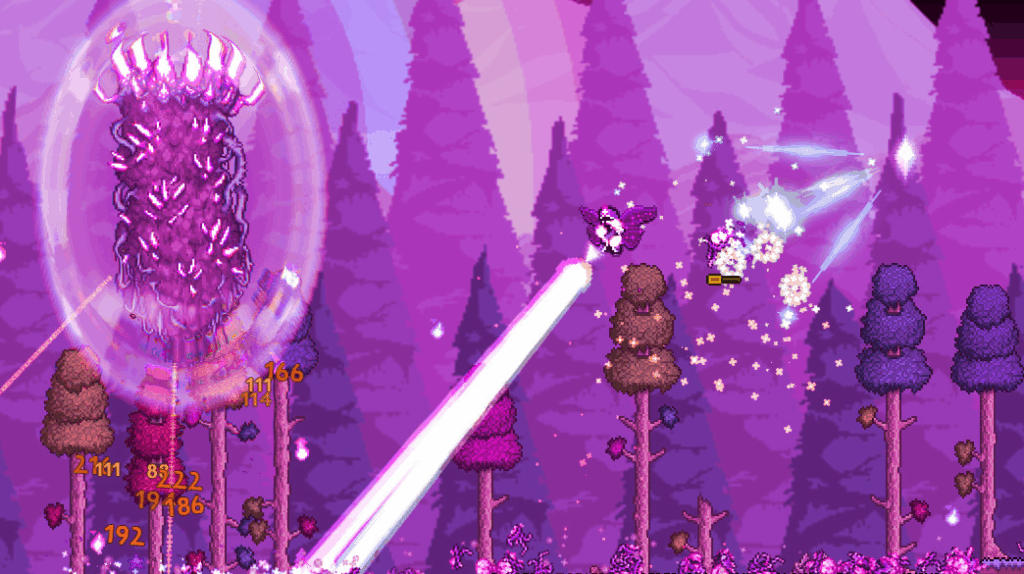
Terraria Class Guide: Choosing the Best Class for Your Playstyle
Terraria, the 2D action-adventure sandbox game, offers players a vast and engaging world filled with exploration, crafting, and combat. One of the most exciting aspects of Terraria is its class system, or rather, the emergent class system defined by the gear you choose to equip. Unlike traditional RPGs with rigid class structures, Terraria’s classes are more fluid and adaptable, allowing players to switch between roles as needed. This Terraria class guide will delve into the four primary classes – Melee, Ranged, Magic, and Summoner – providing insights into their strengths, weaknesses, and progression paths. Understanding these classes is crucial for optimizing your gameplay and tackling the game’s challenging bosses and events. Whether you’re a seasoned Terraria veteran or a newcomer to the world, this Terraria class guide will help you make informed decisions about your character build and playstyle. This guide aims to be your comprehensive resource for all things Terraria class related.
Understanding Terraria’s Class System
Before diving into the specifics of each class, it’s important to understand how the class system works in Terraria. There aren’t any hard-coded classes to select at the beginning of the game. Instead, your class is determined by the armor, weapons, and accessories you equip. Each item provides stat bonuses that favor a particular playstyle. For example, armor that increases melee damage and critical strike chance is ideal for a melee class, while armor that boosts mana and magic damage is better suited for a magic class. This flexible system allows you to experiment with different builds and adapt to various combat situations. The beauty of this system is that you can mix and match elements from different classes, creating hybrid builds that suit your preferences. This Terraria class guide will focus on the pure class builds but keep in mind that hybrid builds are entirely viable and can be very effective.
The Melee Class: Up Close and Personal
Overview
The Melee class is the quintessential frontline fighter in Terraria. Melee characters excel at dealing high damage at close range, relying on swords, spears, yoyos, and other physical weapons. They typically have high defense and health, allowing them to withstand significant damage. The melee class is a great option for players who enjoy aggressive, in-your-face combat.
Key Stats
- Defense: High defense is crucial for surviving close-quarters combat.
- Health: A large health pool allows you to absorb damage and stay in the fight longer.
- Melee Damage: Increases the damage dealt by melee weapons.
- Melee Critical Strike Chance: Increases the chance to deal critical hits with melee weapons.
- Life Regeneration: Helps to recover health during combat.
Progression
Early-game melee characters can rely on swords like the Copper Shortsword, Iron Broadsword, or Silver Broadsword. As you progress, you’ll gain access to more powerful weapons like the Night’s Edge, Terra Blade, and eventually, Zenith, considered the ultimate melee weapon. Armor sets like the Molten Armor (pre-Hardmode) and the Beetle Armor (post-Plantera) provide significant defense and melee damage bonuses. Accessories like the Warrior Emblem and Mechanical Glove further enhance melee capabilities. [See also: Terraria Weapon Progression Guide]
Strengths and Weaknesses
- Strengths: High damage output, excellent survivability, easy to learn.
- Weaknesses: Limited range, vulnerable to ranged attacks, requires close proximity to enemies.
The Ranged Class: Damage from Afar
Overview
The Ranged class specializes in dealing damage from a distance using bows, guns, and launchers. Ranged characters excel at kiting enemies and picking them off before they can get close. They typically have moderate defense and health, relying on their range to stay safe. The ranged class is a good choice for players who prefer a more strategic and tactical approach to combat.
Key Stats
- Ranged Damage: Increases the damage dealt by ranged weapons.
- Ranged Critical Strike Chance: Increases the chance to deal critical hits with ranged weapons.
- Ammo Conservation: Reduces the amount of ammo consumed when using ranged weapons.
- Velocity: Increases the speed of projectiles fired from ranged weapons.
Progression
Early-game ranged characters can use bows like the Wooden Bow or the Copper Bow, along with arrows like Wooden Arrows or Flaming Arrows. As you progress, you’ll gain access to more powerful weapons like the Bee’s Knees, Tsunami, and eventually, the Celebration Mk2. Armor sets like the Fossil Armor (pre-Hardmode) and the Shroomite Armor (post-Plantera) provide significant ranged damage bonuses. Accessories like the Ranger Emblem and Magic Quiver further enhance ranged capabilities. Don’t forget to stock up on ammo! [See also: Terraria Ammo Types and Uses]
Strengths and Weaknesses
- Strengths: Long range, high damage output, excellent for crowd control.
- Weaknesses: Relies on ammo, vulnerable to melee attacks if caught off guard, lower defense than melee.
The Magic Class: Unleashing Arcane Power
Overview
The Magic class focuses on dealing damage using magical spells and abilities. Magic characters excel at dealing burst damage and utilizing crowd control spells. They typically have low defense and health, relying on their mobility and magical abilities to stay alive. The magic class is a great option for players who enjoy a more strategic and adaptable playstyle.
Key Stats
- Magic Damage: Increases the damage dealt by magic weapons.
- Magic Critical Strike Chance: Increases the chance to deal critical hits with magic weapons.
- Mana: The resource used to cast spells.
- Mana Regeneration: Increases the rate at which mana is restored.
- Mana Cost Reduction: Reduces the amount of mana consumed when casting spells.
Progression
Early-game magic characters can use weapons like the Wand of Sparking or the Gem Robes. As you progress, you’ll gain access to more powerful weapons like the Water Bolt, Crystal Storm, and eventually, the Last Prism. Armor sets like the Jungle Armor (pre-Hardmode) and the Spectre Armor (post-Plantera) provide significant magic damage and mana bonuses. Accessories like the Sorcerer Emblem and Mana Flower further enhance magic capabilities. Managing your mana is crucial for the magic class. [See also: Terraria Mana Management Tips]
Strengths and Weaknesses
- Strengths: High burst damage, excellent crowd control, versatile spell options.
- Weaknesses: Low defense, relies on mana, can be mana-intensive, requires careful positioning.
The Summoner Class: Commanding Minions
Overview
The Summoner class focuses on summoning minions to fight for them. Summoner characters excel at dealing consistent damage and controlling the battlefield with their summoned creatures. They typically have moderate defense and health, relying on their minions to protect them. The summoner class is a good choice for players who enjoy a more passive and strategic playstyle.
Key Stats
- Minion Damage: Increases the damage dealt by minions.
- Max Minions: Increases the maximum number of minions that can be summoned.
- Whip Range: Increases the range of whips, which are used to direct minions.
Progression
Early-game summoner characters can use weapons like the Flinx Staff or the Slime Staff. As you progress, you’ll gain access to more powerful minions like the Imp Staff, Spider Staff, and eventually, the Terraprisma. Armor sets like the Bee Armor (pre-Hardmode) and the Spooky Armor (post-Plantera) provide significant minion damage and max minion bonuses. Accessories like the Summoner Emblem and Necromantic Scroll further enhance summoner capabilities. Managing your minions effectively is key to success with the summoner class. [See also: Terraria Minion Guide]
Strengths and Weaknesses
- Strengths: Consistent damage, excellent battlefield control, relatively safe playstyle.
- Weaknesses: Reliant on minions, can be slow to ramp up damage, vulnerable if minions are defeated, often requires specific arena setups.
Choosing the Right Terraria Class for You
Ultimately, the best class in Terraria is the one that best suits your playstyle and preferences. Consider the following factors when making your decision:
- Your preferred combat style: Do you enjoy getting up close and personal, or do you prefer to stay at a distance?
- Your tolerance for risk: Are you comfortable taking damage, or do you prefer to avoid it altogether?
- Your resource management skills: Are you good at managing resources like mana and ammo?
- Your patience: Some classes, like the summoner, require more patience and setup than others.
Don’t be afraid to experiment with different classes and builds to find what works best for you. Terraria is all about exploration and experimentation, so have fun and discover your own unique playstyle. Remember this Terraria class guide is just a starting point. Each class has nuances and variations that can be explored. Mastering a Terraria class takes time and practice. Whether you choose melee, ranged, magic, or summoner, each Terraria class offers a unique and rewarding experience. The Terraria class guide is here to help you on your journey. Good luck, and have fun exploring the world of Terraria!
Final Thoughts on Terraria Classes
The flexibility of the class system in Terraria is one of its greatest strengths. It allows players to adapt to different challenges and create unique and personalized builds. This Terraria class guide should provide a solid foundation for understanding the four primary classes, but the possibilities are truly endless. Don’t be afraid to experiment, try new things, and most importantly, have fun!

