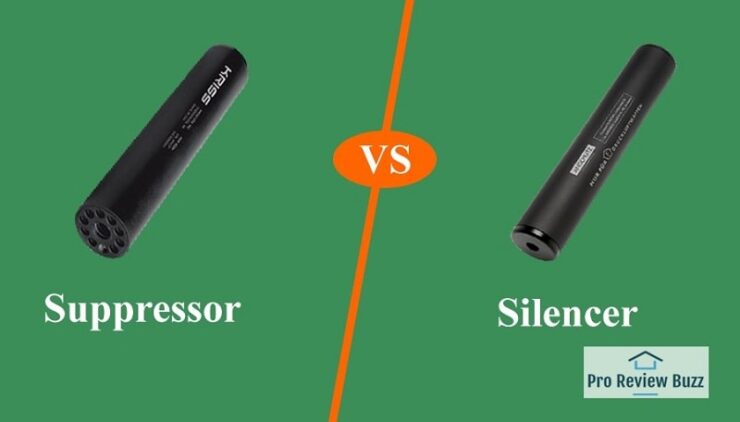
Silencer vs. Suppressor: Understanding the Key Differences
The terms “silencer” and “suppressor” are often used interchangeably when discussing devices attached to firearms to reduce the sound of gunfire. However, while they both serve the same general purpose, understanding the nuances and the history behind these terms is crucial. This article delves into the silencer and suppressor differences, exploring their origins, functionality, legal considerations, and common misconceptions. Whether you’re a seasoned firearms enthusiast or simply curious about these devices, this guide aims to provide a clear and comprehensive overview.
A Brief History: Silencer Origins
The term “silencer” has its roots in the early 20th century. Hiram Percy Maxim, the son of the inventor of the Maxim machine gun, is credited with inventing and patenting the first commercially successful firearm sound suppression device in 1909. Maxim marketed his invention as the “Maxim Silencer.” The name was intended to convey the device’s primary function: to silence or reduce the noise of a firearm.
Maxim’s silencers were even available for automobiles and boats, reflecting a broader interest in noise reduction during that era. The term “silencer” quickly gained popularity and became the common name for these devices.
The Rise of “Suppressor”
Over time, particularly within the firearms industry and among legal and military circles, the term “suppressor” gained traction. This shift was partly driven by a more accurate reflection of the device’s actual function. While “silencer” implies complete silence, which is rarely, if ever, achieved, “suppressor” more accurately describes the device’s ability to suppress or reduce the sound of a gunshot.
The U.S. military, in particular, adopted the term “suppressor” due to its more precise description of the technology. Military applications often require reducing the sound signature of a firearm rather than eliminating it entirely. This subtle but significant distinction contributed to the wider acceptance of “suppressor” as the preferred term in professional contexts.
Technical Differences: Are There Any?
From a technical standpoint, there are no inherent silencer and suppressor differences in design or function. Both terms refer to devices that attach to the muzzle of a firearm and reduce the sound pressure level (SPL) of the gunshot. They achieve this through a combination of mechanisms:
- Expansion Chamber: The initial chamber allows the high-pressure gases from the fired cartridge to expand and cool.
- Baffles or Wipes: Internal components designed to disrupt and redirect the flow of gases, further reducing pressure and temperature.
- Acoustic Absorption: Some suppressors incorporate materials that absorb sound waves, contributing to noise reduction.
Whether you call it a silencer or a suppressor, the underlying technology remains the same. The choice of term is primarily a matter of semantics and historical context.
Legal Considerations: NFA Regulations
Regardless of the terminology used, both silencers and suppressors are heavily regulated in the United States under the National Firearms Act (NFA) of 1934. The NFA classifies these devices as Title II weapons, subjecting them to strict federal regulations, including:
- Registration: All silencers/suppressors must be registered with the Bureau of Alcohol, Tobacco, Firearms and Explosives (ATF).
- Background Checks: Purchasers must undergo a thorough background check.
- Transfer Tax: A $200 transfer tax is required for each device.
- Restrictions: Possession and use of silencers/suppressors are restricted in some states and localities.
It’s crucial to understand and comply with all applicable federal, state, and local laws before purchasing or possessing a silencer or suppressor. Failure to do so can result in severe penalties, including fines and imprisonment.
Common Misconceptions
Several misconceptions surround silencers and suppressors. One of the most common is the belief that these devices render firearms completely silent. In reality, even the most effective suppressors only reduce the sound of a gunshot, typically to a level comparable to a loud air rifle or a jackhammer. The sound reduction is measured in decibels (dB), and the amount of reduction varies depending on the firearm, ammunition, and suppressor design.
Another misconception is that silencers and suppressors are primarily used by criminals. While they can be misused, the vast majority of owners are law-abiding citizens who use them for recreational shooting, hunting, or professional purposes, such as military or law enforcement applications. Many hunters use suppressors to protect their hearing and reduce disturbance to wildlife.
Furthermore, some people believe that owning a suppressor is inherently illegal. While heavily regulated, owning a suppressor is legal in many states, provided that all NFA requirements are met. The process of obtaining a silencer or suppressor involves paperwork, background checks, and a waiting period, but it is a legal process for those who meet the requirements.
Applications and Benefits
Silencers and suppressors offer several benefits in various applications:
- Hearing Protection: Reducing the sound of gunfire can significantly reduce the risk of hearing damage, especially during prolonged shooting sessions.
- Reduced Recoil: Many suppressors also help to reduce recoil, improving accuracy and control.
- Hunting: Suppressors can make hunting safer and more enjoyable by reducing noise pollution and minimizing disturbance to wildlife.
- Military and Law Enforcement: Suppressors are used to reduce the sound signature of firearms, providing a tactical advantage in certain situations.
- Recreational Shooting: Suppressors can enhance the shooting experience by reducing noise and recoil, making it more comfortable and enjoyable.
The Future of Sound Suppression
The technology behind silencers and suppressors continues to evolve. Manufacturers are constantly developing new designs and materials to improve sound reduction, reduce weight, and enhance durability. Advancements in 3D printing and materials science are opening up new possibilities for suppressor design and manufacturing.
Furthermore, there is ongoing debate regarding the legal status of silencers and suppressors. Some advocate for deregulation, arguing that they are primarily safety devices that should be more readily available to law-abiding citizens. Others maintain that strict regulation is necessary to prevent misuse and protect public safety. The future of silencer and suppressor regulation will likely depend on ongoing legal and political developments.
Choosing the Right Device
Selecting the right silencer or suppressor depends on several factors, including the type of firearm, the intended use, and the desired level of sound reduction. It’s essential to research different models, read reviews, and consult with experienced shooters or firearms professionals before making a purchase.
Key considerations when choosing a suppressor include:
- Caliber Compatibility: Ensure the suppressor is compatible with the caliber of your firearm.
- Mounting System: Choose a mounting system that is secure and reliable.
- Sound Reduction: Consider the level of sound reduction offered by the suppressor.
- Weight and Length: Select a suppressor that is lightweight and compact for optimal handling.
- Durability: Choose a suppressor made from high-quality materials that can withstand repeated use.
Conclusion
In summary, while the terms “silencer” and “suppressor” are often used interchangeably, “suppressor” is generally considered the more accurate and professional term. There are no technical silencer and suppressor differences in how they function. Both devices are designed to reduce the sound of a gunshot through similar mechanisms. Understanding the history, legal considerations, and common misconceptions surrounding these devices is crucial for anyone interested in firearms or sound suppression technology. Whether you call it a silencer or a suppressor, remember to prioritize safety, comply with all applicable laws, and choose the right device for your specific needs. [See also: Firearm Safety Tips] [See also: Understanding NFA Regulations] [See also: Best Suppressors for Hunting]

