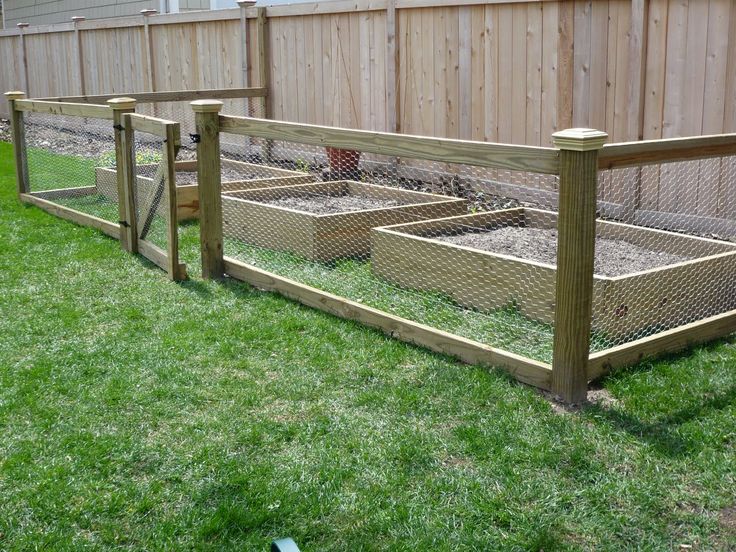
Effective Fencing Solutions to Keep Rabbits Out of Your Vegetable Garden
Protecting your vegetable garden from unwanted guests is a common concern for gardeners. Among the most persistent and destructive of these visitors are rabbits. These fluffy creatures can quickly decimate your hard work, munching on tender seedlings and leafy greens. Fortunately, a well-constructed fence can be an effective barrier. This article explores various fencing to keep rabbits out of vegetable garden and provides practical tips for installation and maintenance, ensuring your harvest remains safe and plentiful.
Understanding the Rabbit Threat
Before diving into fencing solutions, it’s crucial to understand rabbit behavior and capabilities. Rabbits are prolific breeders, meaning a small problem can quickly escalate. They are also adept at finding weaknesses in defenses. Rabbits can squeeze through surprisingly small openings, dig under fences, and even occasionally climb over low barriers. Understanding these traits informs the design and implementation of an effective rabbit-proof fence.
Rabbit Behavior and Garden Vulnerabilities
Rabbits are most active during dawn and dusk, making these times critical for garden protection. They are attracted to gardens by the abundance of food, especially young plants, lettuce, beans, carrots, and peas. Gardens located near wooded areas or fields are particularly vulnerable. Identifying potential entry points and preferred food sources will help tailor your fencing to keep rabbits out of vegetable garden.
Types of Fencing to Keep Rabbits Out
Several types of fencing can be used to protect your vegetable garden from rabbits. The best choice will depend on factors such as budget, garden size, and aesthetic preferences. Each type has its own advantages and disadvantages.
Chicken Wire Fencing
Chicken wire is a cost-effective and widely available option. It features a mesh design that effectively prevents rabbits from squeezing through. To be effective, chicken wire fencing should be buried at least 6 inches deep to prevent rabbits from digging underneath. The above-ground portion should be at least 2-3 feet high. While chicken wire is a good starting point, it can be prone to rust and may not be the most aesthetically pleasing option. When installing fencing to keep rabbits out of vegetable garden using chicken wire, ensure the mesh size is small enough (1 inch or less) to prevent young rabbits from entering.
Hardware Cloth Fencing
Hardware cloth is a sturdier and more durable alternative to chicken wire. It is made of galvanized steel, making it resistant to rust and corrosion. Like chicken wire, hardware cloth should be buried at least 6 inches deep and extend 2-3 feet above ground. The smaller mesh size (typically ¼ inch or ½ inch) provides even better protection against young rabbits. While more expensive than chicken wire, hardware cloth offers a longer-lasting and more reliable solution for fencing to keep rabbits out of vegetable garden.
Plastic Fencing
Plastic fencing is a lightweight and relatively inexpensive option. It is available in various heights and mesh sizes. While it is not as durable as metal fencing, it can be effective for deterring rabbits in areas with low rabbit populations. Plastic fencing is also easier to install and can be a good choice for temporary or seasonal protection. However, it is important to choose a sturdy plastic that can withstand weather and potential chewing. Effective fencing to keep rabbits out of vegetable garden, even plastic types, must be correctly installed with buried sections.
Electric Fencing
Electric fencing provides a more active deterrent. A low-voltage electric fence can be installed around the perimeter of the garden to deliver a mild shock to rabbits that attempt to cross it. This type of fencing is particularly effective in areas with high rabbit populations. The fence should be installed close to the ground, with multiple strands to prevent rabbits from jumping over or crawling under. Electric fencing to keep rabbits out of vegetable garden requires a power source and regular maintenance to ensure it is functioning properly.
Installation Tips for Rabbit-Proof Fencing
Proper installation is essential for ensuring the effectiveness of your fencing to keep rabbits out of vegetable garden. Here are some key tips to consider:
- Bury the Fence: As mentioned earlier, burying the fence at least 6 inches deep is crucial to prevent rabbits from digging underneath.
- Extend Above Ground: The fence should extend at least 2-3 feet above ground to prevent rabbits from jumping over.
- Use Sturdy Posts: Use sturdy posts to support the fence and ensure it remains upright. Space the posts no more than 6-8 feet apart.
- Secure the Mesh: Secure the mesh to the posts using staples, zip ties, or wire. Ensure there are no gaps or loose areas that rabbits can exploit.
- Consider a Bent-Out Section: For added protection, consider bending the bottom 6-12 inches of the fence outwards at a 90-degree angle. This creates a barrier that makes it more difficult for rabbits to dig under.
Maintaining Your Rabbit-Proof Fence
Regular maintenance is essential for ensuring your fencing to keep rabbits out of vegetable garden continues to provide effective protection. Here are some maintenance tips:
- Inspect Regularly: Inspect the fence regularly for any damage or weaknesses. Look for holes, gaps, or loose areas.
- Repair Damage Promptly: Repair any damage immediately to prevent rabbits from gaining access to your garden.
- Control Vegetation: Keep vegetation around the fence trimmed to prevent rabbits from using it as cover to approach the fence.
- Check Electric Fences: For electric fences, check the voltage regularly to ensure it is functioning properly. Clear any vegetation that may be touching the fence and causing it to short out.
Alternative Rabbit Deterrents
While fencing is the most effective way to keep rabbits out of your vegetable garden, there are other deterrents that can be used in conjunction with fencing or as a supplementary measure.
Repellents
Rabbit repellents are available in various forms, including sprays, granules, and powders. These repellents typically contain ingredients that rabbits find unpleasant, such as garlic, pepper, or predator urine. Apply repellents regularly, especially after rain, to maintain their effectiveness. While repellents can be helpful, they are not always reliable and may not deter all rabbits. The effectiveness of fencing to keep rabbits out of vegetable garden is generally superior.
Companion Planting
Certain plants are known to deter rabbits. Planting these plants around your vegetable garden can help to keep rabbits away. Some effective rabbit-repelling plants include marigolds, onions, garlic, and lavender. Companion planting can be a natural and aesthetically pleasing way to enhance your garden’s defenses. However, it’s important to note that companion planting alone may not be sufficient to protect your garden from rabbits, and should be used in conjunction with other deterrents.
Motion-Activated Sprinklers
Motion-activated sprinklers can be used to startle rabbits and deter them from entering your garden. These sprinklers are triggered by movement and spray a burst of water, which rabbits find unpleasant. Motion-activated sprinklers can be an effective way to keep rabbits away, but they may also deter other animals, such as birds and beneficial insects. They also require a water source and may not be suitable for all gardens. Using fencing to keep rabbits out of vegetable garden is a more targeted approach.
Case Studies: Successful Rabbit-Proof Gardens
To illustrate the effectiveness of different fencing solutions, let’s examine a few case studies of successful rabbit-proof gardens.
Case Study 1: The Suburban Garden
A suburban gardener installed a 3-foot-high hardware cloth fence around their vegetable garden. The fence was buried 6 inches deep and secured to sturdy posts. The gardener also used rabbit repellent as a supplementary measure. As a result, the gardener successfully protected their garden from rabbits and enjoyed a bountiful harvest. This case study highlights the effectiveness of a well-installed hardware cloth fence in a suburban setting.
Case Study 2: The Rural Garden
A rural gardener faced a significant rabbit problem due to the garden’s proximity to a wooded area. The gardener installed a combination of chicken wire and electric fencing. The chicken wire provided a physical barrier, while the electric fence deterred rabbits from attempting to cross it. The gardener also used companion planting, incorporating rabbit-repelling plants around the perimeter of the garden. This multi-pronged approach effectively protected the garden from rabbits and allowed the gardener to grow a wide variety of vegetables. This highlights the need for a multi-faceted approach, where fencing to keep rabbits out of vegetable garden is supplemented by other strategies.
Conclusion: Protecting Your Garden from Rabbits
Protecting your vegetable garden from rabbits requires a proactive and strategic approach. Understanding rabbit behavior, choosing the right type of fencing, and implementing proper installation and maintenance practices are all essential for success. While other deterrents can be helpful, a well-constructed fence remains the most reliable and effective way to keep rabbits out of your garden. By investing in quality fencing to keep rabbits out of vegetable garden, you can safeguard your harvest and enjoy the fruits (and vegetables) of your labor.
Remember to regularly assess your garden’s vulnerabilities and adapt your defenses as needed. With a little planning and effort, you can create a rabbit-proof garden that allows you to grow healthy and delicious vegetables without the constant threat of rabbit damage. The right fencing to keep rabbits out of vegetable garden will be a worthwhile investment for any serious gardener.
[See also: Companion Planting for Pest Control]
[See also: DIY Garden Pest Repellents]
[See also: Building a Raised Garden Bed]

